A Town That Lives by Its Boats
Cefalù is, at its core, a fishing town that became beautiful. The boats that have worked the Tyrrhenian since antiquity still go out most mornings — smaller fleets now, but genuine — and the fish they bring back shapes what appears on local menus that same evening. This is not marketing. When a Cefalù waiter tells you the swordfish is from this morning, he almost certainly means it.
The harbor is small and photogenic, tucked behind the medieval breakwater. Walk there early and you may see the catch being sorted and sold. The fish market — when it operates — is worth visiting even if you're not buying: it gives you a vivid sense of what the sea between here and Sardinia actually produces. Dentice (sea bream), spigola (sea bass), triglie (red mullet), riccio di mare (sea urchin) and, in season, pesce spada (swordfish) and tonno (tuna).
The best thing you can do at any Cefalù restaurant is ask: "Cosa c'è fresco oggi?" — what's fresh today? Order that. Everything else is secondary.
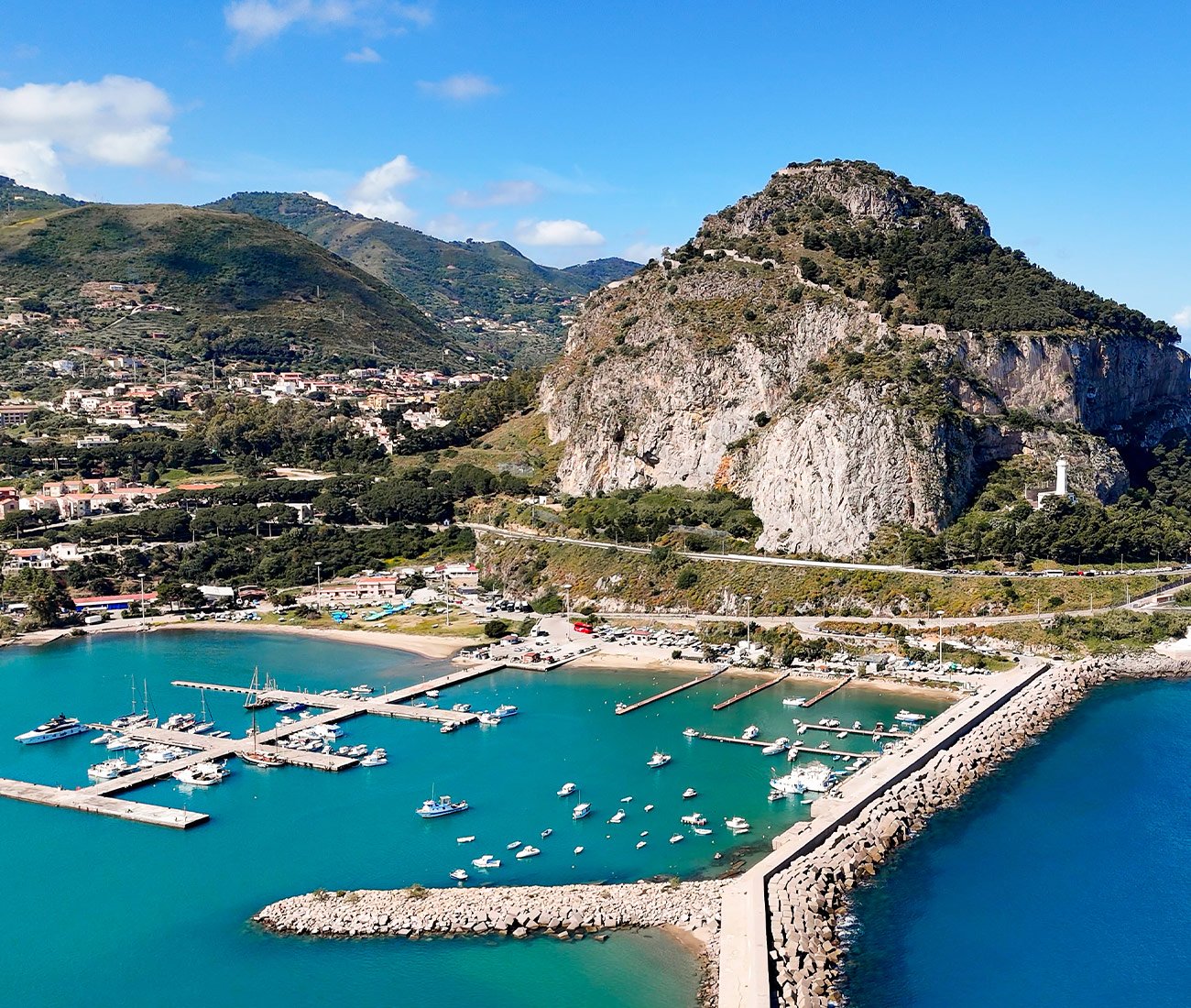
"When a Cefalù waiter says the fish came in this morning, he means it. The boats are right there. The harbor is a five-minute walk from this apartment."
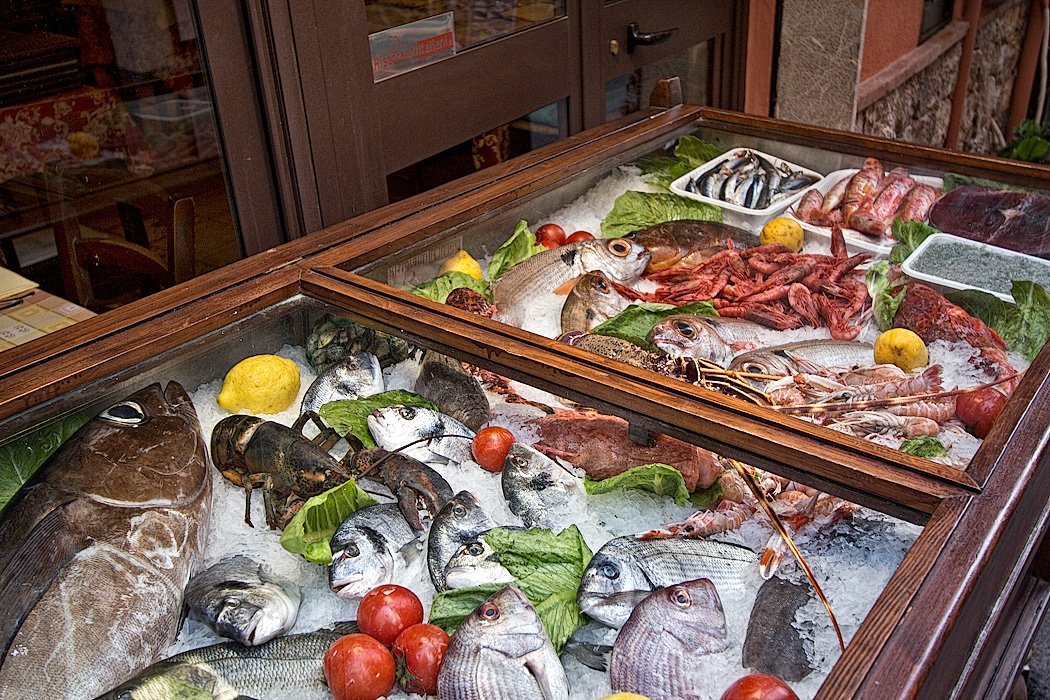
Cefalù Mornings: The Ritual
The Cefalùdese morning has a particular rhythm. The beach fills early — by 8am in summer, families are already establishing territory with towels, parasols, and the quiet seriousness of people who understand the value of a good spot. But first: coffee.
The Sicilian breakfast is not what most visitors expect. It is not eggs, toast, or fruit. It is a cornetto — a sweet, buttery pastry, often filled with pistachio cream, Nutella, or custard — and a cappuccino or granita, consumed standing at a bar counter, quickly, before the heat of the day properly sets in.
Cannoli Café — Our Morning Anchor
The balcony looks out over the old town rooftops. Order a cornetto — pistachio or Nutella — and a cappuccino, sit down, and don't rush. The town wakes up beneath you. This is the morning ritual we recommend to every single guest, without exception.
→ See our full recommendations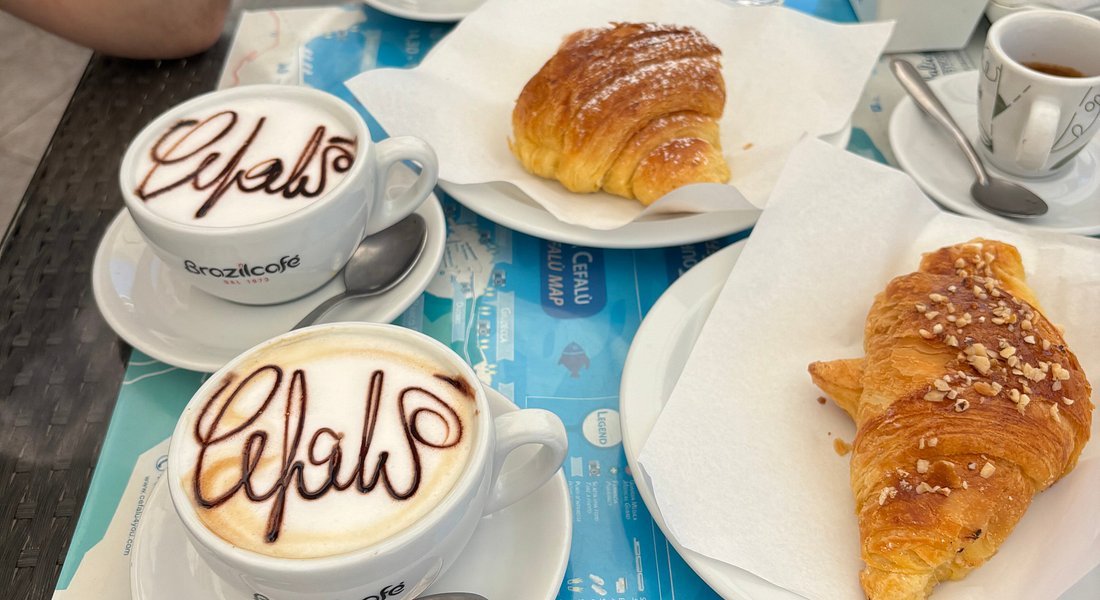
The Sicilian granita con brioche is an institution that visitors discover with visible confusion and then immediate devotion. A cup of semi-frozen flavored ice — lemon, almond, coffee, strawberry, mulberry — served with a warm brioche for dipping. It sounds wrong. It is revelatory. The almond granita, made from Sicilian almonds, is particular to this island and particularly good.
What Cefalù Eats
Cefalù's cuisine is Sicilian — which is to say, shaped by twelve centuries of Arab, Norman, Spanish, and Italian influence — but it has a distinct coastal character. The further you get from the water, the more pasta and meat dominate Sicilian cooking. In Cefalù, fish is central.
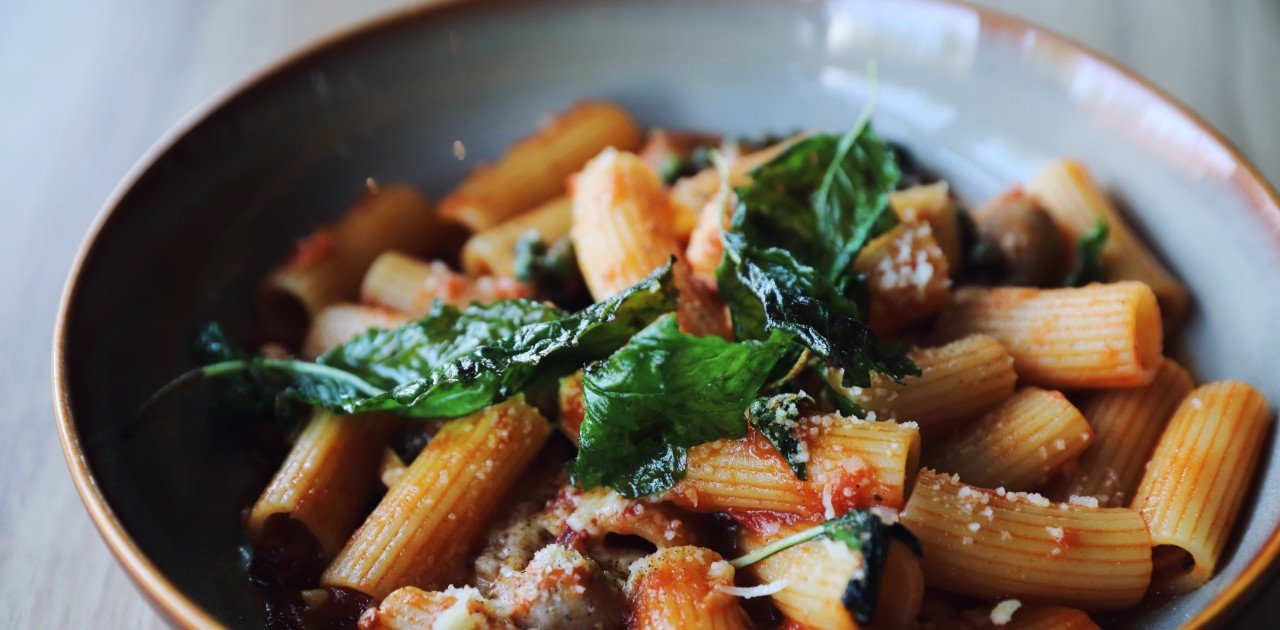
Pasta a Taianu
The most Cefaludese pasta of all — named for the terracotta pot (taianu) in which it's slow-cooked in a wood oven with a rich meat ragù. This dish belongs to Cefalù; you won't find it across Sicily. Ask for it at Tinchitè, where it's made properly.
→ Tinchitè
Swordfish (Pesce Spada)
The Tyrrhenian is excellent swordfish territory. Grilled simply, baked with citrus, or as carpaccio — it's extraordinary when genuinely local. Peak season June–September.
Riccio di Mare
Sea urchin, eaten raw with lemon or tossed with pasta and olive oil. Intensely marine, savagely good. The Cefalù sea is known for its ricci. Don't miss them if you see them on a menu.
Arancine
Stuffed, breaded, deep-fried rice balls — the definitive Sicilian street food. The best arancine in Cefalù come from Sfrigola, a street food spot in the old town. Eat standing up.
→ Sfrigola, Via Vanni area
Pistacchio Granita con Brioche
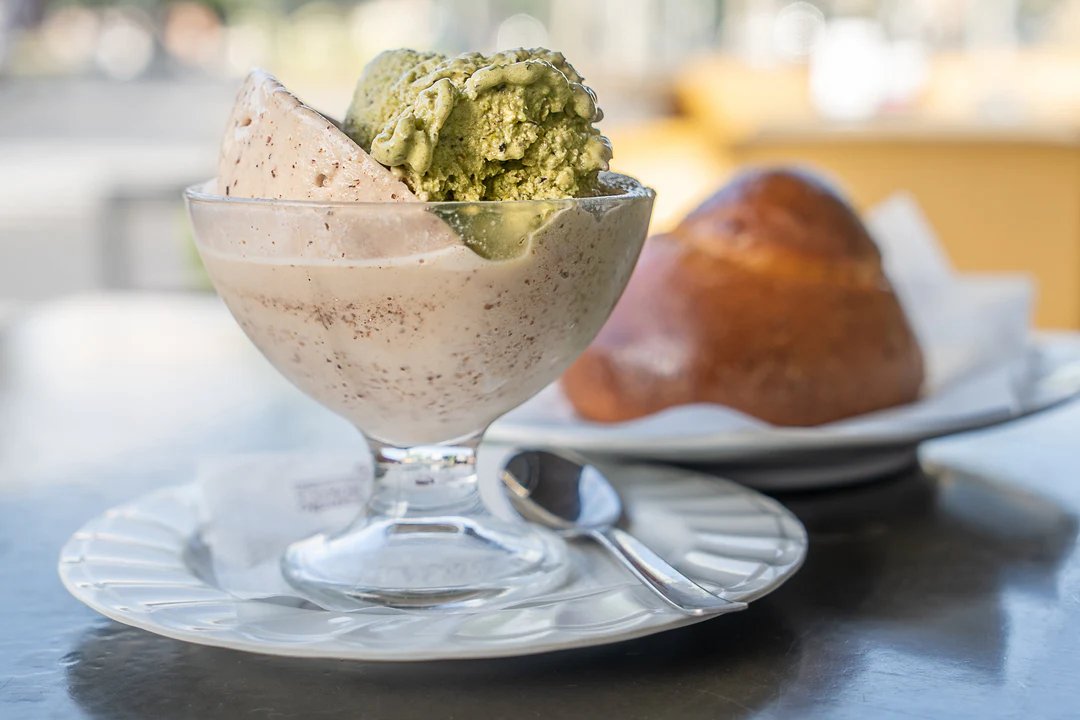
While granita is a staple across Sicily, Cefalù is famous for exceptionally dense, intensely nutty pistacchio versions that taste exactly like frozen, crushed nuts — nothing artificial. Traditionally served with a fluffy, warm brioche col tuppo for dipping. Order this for breakfast at least once.
→ Cannoli Café
Pizza by the Slice
Pizzica on Corso Ruggero does pizza al taglio with creative toppings at remarkable quality for the price. Perfect for lunch or a late-night snack on the cobblestones.
→ Pizzica, Corso Ruggero
The Cathedral Square at Dinner
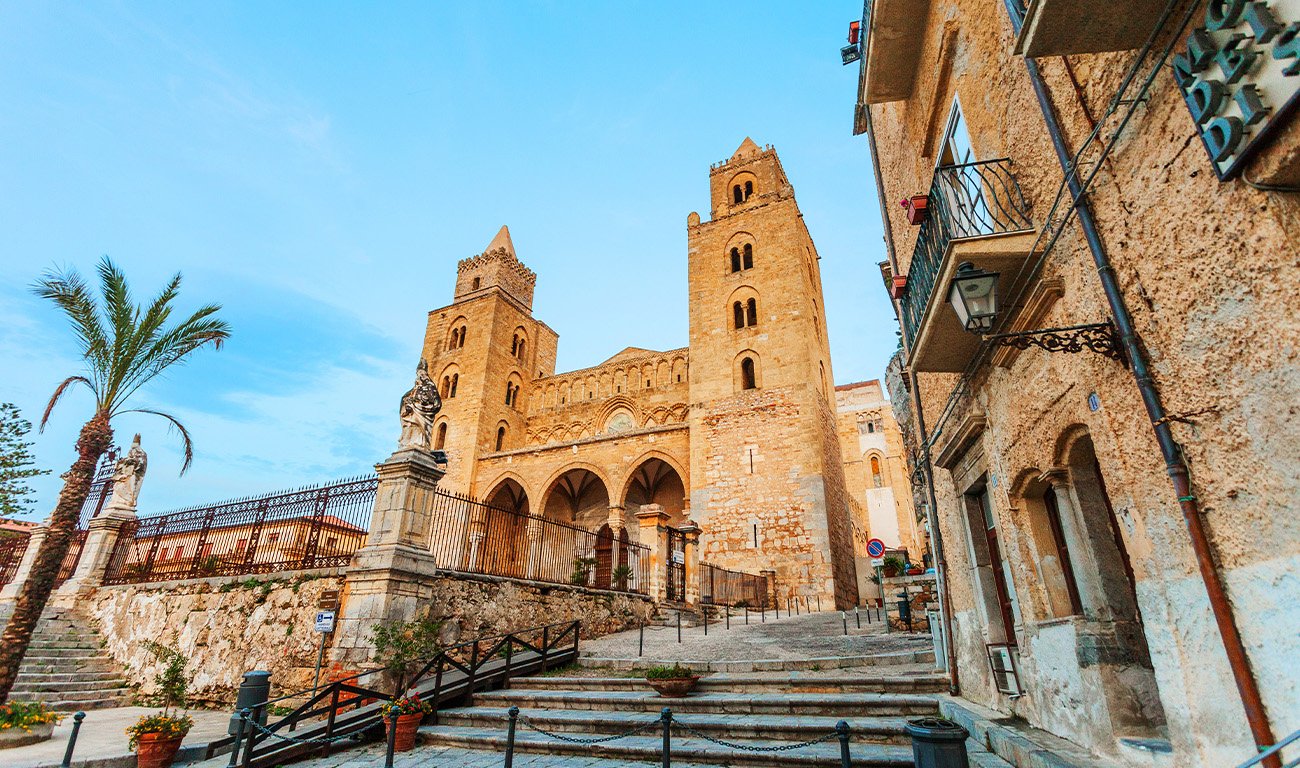
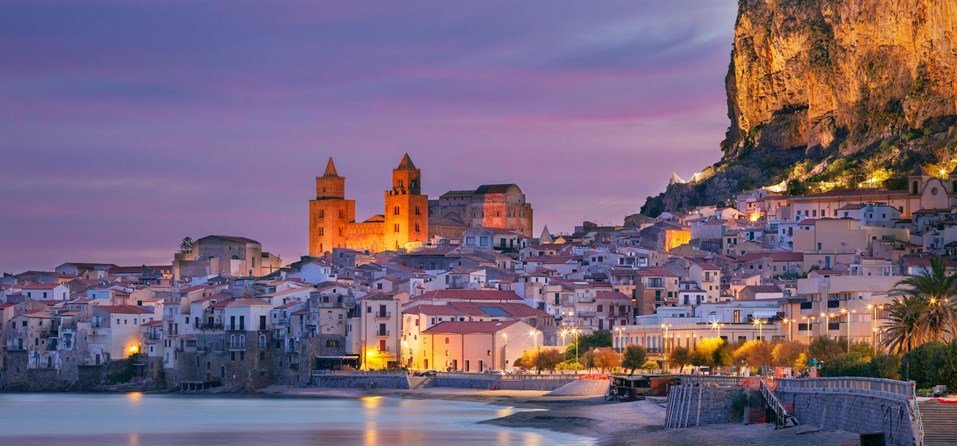
One of the specifically Cefalù experiences that no other Sicilian town can replicate: eating dinner with the Norman Cathedral illuminated in front of you. The Piazza del Duomo at night, with the golden light on the ancient stone and the smell of jasmine and sea salt in the air, is one of those scenes that reminds you why you traveled.
Osteria del Duomo — Our Pick for a Special Evening
Floor-to-ceiling views of the illuminated Cathedral. Linen tablecloths, excellent Sicilian wine list, impeccable fresh fish. Reserve a window table. This is our recommendation for a genuinely special night in Cefalù — the kind of dinner you'll remember for years.
→ See our full restaurant picks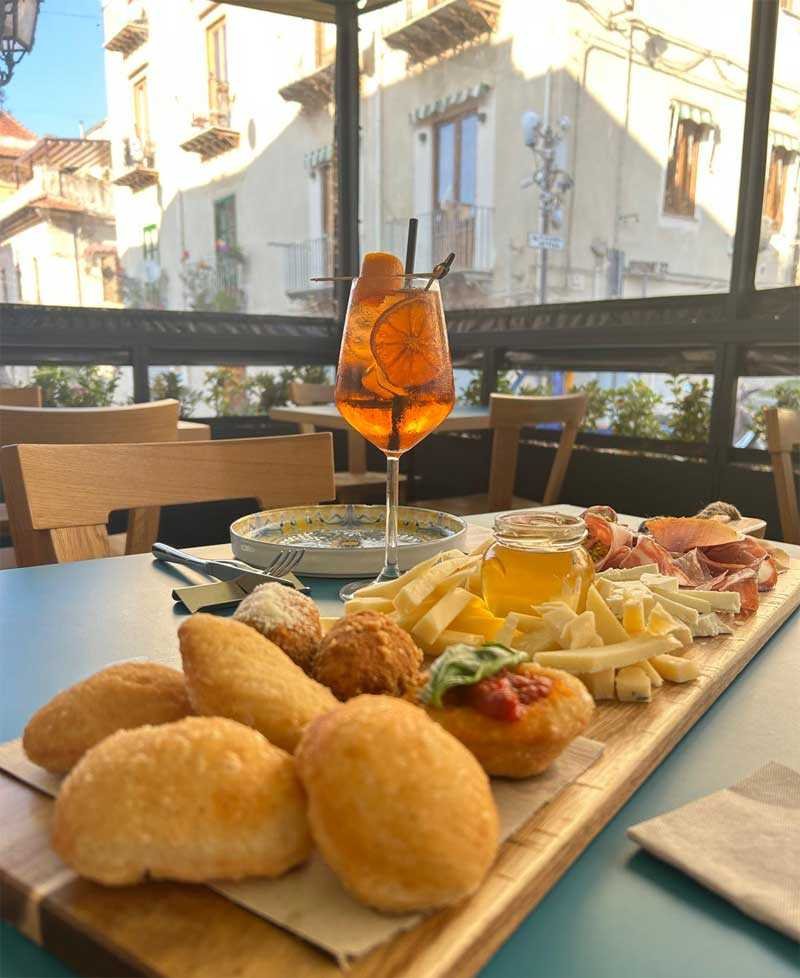
The Aperitivo Hour
Between beach and dinner lies the aperitivo — the Italian ritual of early-evening drinks and snacks that serves as both a social event and a palate opener. In Cefalù, as across Italy, this happens between roughly 6 and 8pm, as the heat finally relents and the old town begins to stir for the evening.
The classic Cefalù aperitivo drink is a Spritz — Aperol or Campari with prosecco and a splash of soda — though a glass of local Grillo or Nero d'Avola is equally appropriate. Snacks come with the drink at most places: olives, crisps, sometimes small bruschette.
Antica Porta Terra — Best Aperitivo in Town
Right in the heart of the old town, perfectly positioned for watching the evening city come alive. The complimentary snacks are generous. Order a Spritz, find a table outside, and let the hour expand.
For the best sunset drink with a view, Dokeio Rooftop Lounge Bar has a western-facing position that makes it the definitive sunset spot in Cefalù. Arrive 30 minutes before sunset and claim your place. La Rocca turns amber, the sea turns gold, and the aperitivo earns its reputation.
The Old Town Streets: Where to Wander and What to Find
Cefalù's old town is small enough to know completely and rich enough to keep rewarding exploration. The main spine is Corso Ruggero, named after the Norman king who founded the Cathedral, running roughly east-west through the historic center. Off it, parallel lanes — Via Vanni among them, where Amuni a Mari sits — carry the daily life of the town: laundry on lines strung between balconies, potted plants overflowing, the occasional motorbike navigating with the casual impunity typical of Italian scooters.
The streets immediately around the Cathedral square become restaurant territory in the evenings, with tables spreading out across the paving. Via Vittorio Emanuele, running parallel to the waterfront, has the highest concentration of restaurants and bars. But the best discoveries are often in the unmarked alleys: a table in a doorway, a local bar where the regulars look up when you enter and return to their conversation once you've been assessed and accepted.
A Paranza — Most Local Restaurant
Packed with locals year-round, open in winter when much of the town shuts down, no frills whatsoever, and some of the best cooking in Cefalù. This is where the town actually eats. The daily specials reflect exactly what the sea provided that morning.
Shopping for Food Like a Local
The apartment kitchen is fully equipped, and cooking in Cefalù is a genuine pleasure because the raw materials are so good. Here's where to find them.
Giuseppe, the itinerant fruit and vegetable vendor, drives his van through the old town each morning and early afternoon, calling out loudly in the Sicilian dialect. Listen for him. The tomatoes, capers, almonds, pistachios, and citrus he sells have a flavor relationship with supermarket equivalents that can only be described as estrangement. Buy too much. Cook something simple.
For a smaller, more convenient stop, Alimentari del Bastione di Guercio Vincenzo at 66 Corso Ruggero is the kind of classic Sicilian alimentari that stocks most of what you need — cheese, cured meats, pasta, local basics — in a compact space on the main street. Prices are what you'd expect on Corso Ruggero, but the convenience is hard to beat.
Supermercato Decó has a good selection of local products for stocking the kitchen: Sicilian pasta, olive oil, canned tuna packed in excellent local oil, capers in salt (rinse them before use), and a decent wine section. The deli counter does hot dishes at lunchtime.
For wine to drink at home or take back, Enoteca Rossorubino (Via Carlo Ortolani di Bordonaro 16) stocks a carefully chosen selection of Sicilian producers. A bottle of Grillo with fresh fish; a Nero d'Avola with pasta. That's dinner sorted.
The Beach and What to Eat There
Cefalù beach is one of the finest in Sicily — a long arc of golden sand sheltered by La Rocca, with clear turquoise water and the Cathedral visible from the water. In summer it fills early; the Cefalùdese morning ritual of putting down towels to claim territory before going for breakfast is both pragmatic and entirely rational.
Beach food in Cefalù is an art form. The free-access stretch of beach has vendors circulating with granita cups, cold drinks, and the coconut seller whose call you will recognise immediately. The beach bars along the seafront do everything from coffee to full lunch service.
Kioskito — Best Beach Bar
Cold beers, granita, and maximum laid-back Sicilian energy right on the seafront. The crowd is young and local. This is not a tourist beach bar — it's where Cefalù actually goes to drink cold things in the sun.
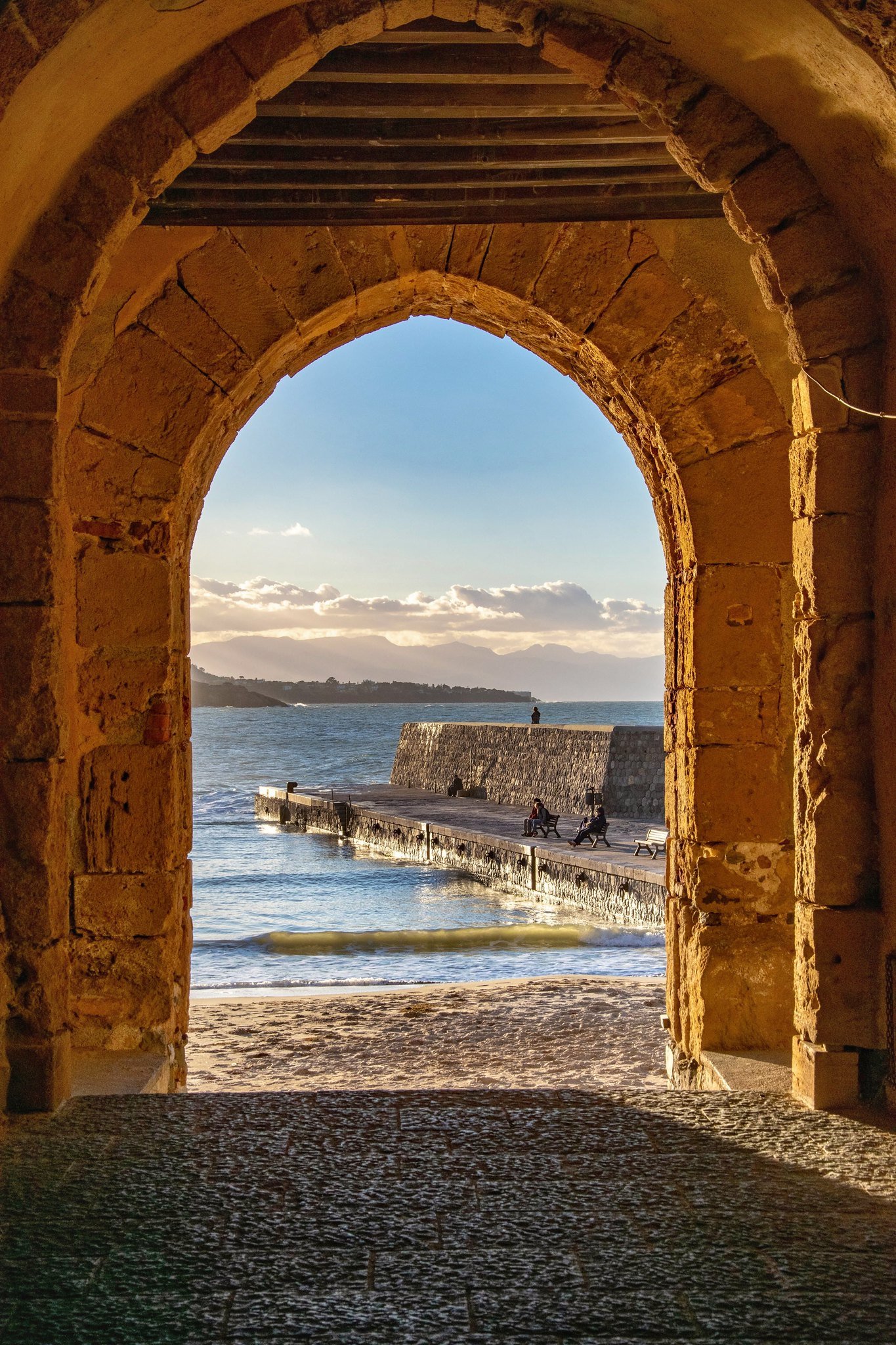
The Spiaggia del Porto Vecchio, reached through the Porta Pescara, is quieter than the main beach and has excellent snorkeling. Bring a mask — the water is clear and the seabed is interesting. And listen: somewhere on the beach you'll hear a voice carrying across the water — "Cocooooo! Ragazzi, coco! Signora! Cocooooo!" — the coconut vendor, a Cefalù institution. He will find you.
Sicilian Ceramics: What to Bring Home
The craft tradition of Sicily is inseparable from its ceramic art, and Cefalù is a good place to buy it. The teste di moro — paired ceramic heads, always male and female, lavishly decorated — are Sicily's most iconic symbol. The legend behind them is dark: a Moorish nobleman seduced a Sicilian girl; when she discovered he had a family back home, she decapitated him and planted basil in his skull. The basil grew luxuriantly. Her neighbors admired it and began making ceramic versions. Whether legend or history, the tradition has produced some of the finest decorative ceramics in Europe.
Beyond the teste di moro, look for the pigna (pine cone) ceramic — another Sicilian good-luck charm, often placed near doorways. Hand-painted maiolica plates and serving dishes. Small ceramic fish. Colorful espresso cups. The craftsmanship varies enormously in quality; the best pieces are genuinely beautiful objects that will outlast the holiday and the decade.
A Lumera — Best Ceramics in Cefalù
The most carefully curated selection of Sicilian ceramics in town, with an emphasis on quality over volume. The pieces here are made by Sicilian artisans and are the real thing. Buy something you'll have for decades.
The Passeggiata: Cefalù's Evening Ritual
Every evening, as the heat finally breaks and the light turns golden, Cefalù takes to its streets. The passeggiata — the Italian evening stroll — is not a tourist activity. It is how the town has spent its evenings for centuries, and it continues with the same unhurried seriousness today.
The route in Cefalù runs from the Lungomare — the seafront promenade — through the old town and back. Families walk together; elderly couples move at a pace calibrated to eternity; teenagers orbit each other with elaborate casualness. Everyone is dressed better than you expect. The passeggiata is a social presentation, not an exercise class.
As a visitor, the correct approach is to join it. Buy a gelato from Sapori di Sale, find the pace of the crowd, and walk. Stop for a drink when the mood strikes. Watch the light on the Cathedral facade move through its evening sequence from gold to rose to deep blue. The Lungomare itself — the broad promenade along the seafront — is particularly beautiful as darkness falls and the sea becomes a black mirror.
Practical Notes for Your Stay
Things Worth Knowing in Cefalù
- Meal times: Lunch is 1:30–3:30pm, dinner from 8pm — most restaurants won't be ready before 7:30pm. Arrive on Italian time.
- Cappuccino rule: Milk coffees are for mornings. After about 11am, espresso only — ordering a cappuccino after lunch earns you a puzzled look.
- At the bar: Pay first, take your receipt to the barista. Standing at the bar is cheaper than sitting at a table. This is a feature.
- Tipping: Not expected in Italy. Rounding up the bill or leaving a euro is appreciated but never obligatory.
- The ZTL: Cefalù's old town is restricted traffic. Do not drive in — you'll receive a fine in the post weeks later with no warning at all.
- August heat: The midday sun between noon and 3pm is fierce. Beach in the morning, shade or the apartment midday, beach again from 4pm.
- Language: Sicilians are proud of their dialect, distinct from standard Italian. You'll hear it constantly. Standard Italian is universally understood; a warm "Buongiorno" goes further than you'd expect.
- Sunday in Cefalù: Many small shops close on Sunday afternoon or all day. Plan your food shopping for Saturday.
- Fresh fish timing: The fish market and fishmongers are most interesting early morning. By afternoon, the best has gone.
Cefalù in Winter
Most visitors see Cefalù in summer. The town is spectacular then — but it is also different from the Cefalù that exists the other nine months of the year. In winter, the beach empties, the souvenir shops close, and the town returns to itself. The light is cooler and clearer. The Cathedral, freed from summer crowds, can be contemplated at leisure. The restaurants that stay open — A Paranza is famously one — are filled only with locals. The streets ring with the sound of the Sicilian dialect without the overlay of tourist languages.
If you have the flexibility, a visit in October or November — or in April or May — offers a Cefalù that is quieter, cheaper, and in its own way more beautiful than the high-summer version. The sea is still warm enough to swim in September and October. The food is, if anything, better: the summer crowds have gone, and the restaurants are cooking for the people they'll see again next week.